Pregnancy travel: Is flying safe? This is a common concern for many expectant mothers and understandably so. While I am not a medical professional on pregnancy travel, this guide is carefully written based on available research, airline policies, and widely accepted medical guidance from trusted sources. Every pregnancy is unique, which is why nothing can replace personalized advice from a qualified doctor or midwife. Before making any travel plans, it is always essential to consult your healthcare provider.
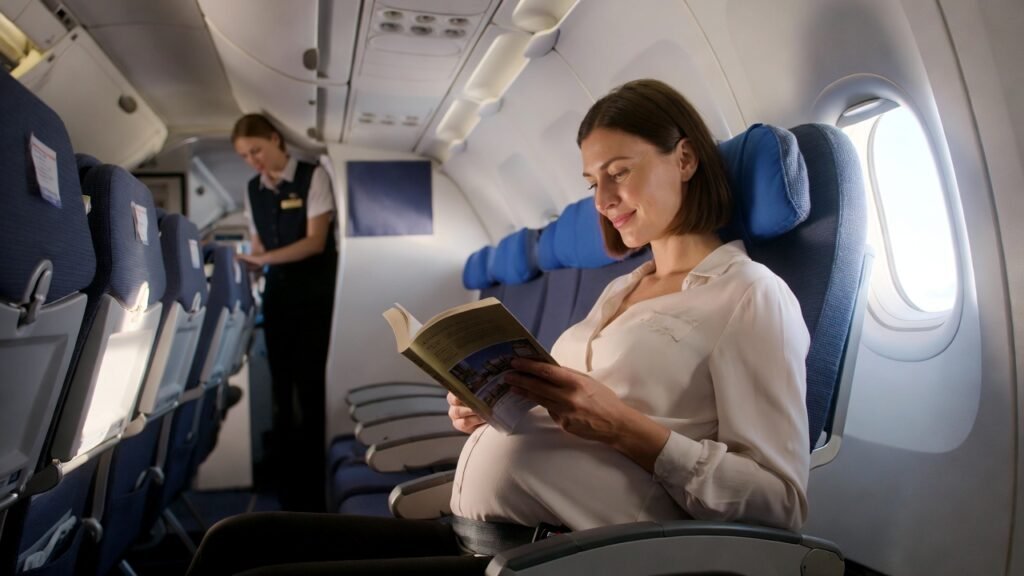
For many women, flying while pregnant can feel both exciting and nervous. Whether it’s a family visit, a work trip, or a much-needed getaway, pregnancy adds an extra layer of planning and caution. The good news is that, with the right information and proper medical guidance, air travel during pregnancy is often considered safe—especially in uncomplicated pregnancies.
As an expectant mother, flying can be both thrilling and scary. It’s important to plan carefully when you’re carrying a baby. But, with the right guidance, you can fly with confidence.
This guide will cover safety, risks, and tips for flying while pregnant. You’ll learn about airline rules and travel insurance. This way, you can make smart choices about flying during pregnancy.
Pregnancy Travel: Is it safe?
Key Takeaways
- Air travel during pregnancy can be safe, but it’s important to understand the risks and take precautions.
- Factors like gestational age, medical history, and airline policies can influence the safety of air travel during pregnancy.
- Expectant mothers should consult with their healthcare providers and research airline policies before booking flights.
- Pregnancy travel insurance can provide important coverage and peace of mind for expectant mothers.
- Preparing for air travel with essentials like comfortable clothing, snacks, and medication can help ensure a smooth and safe journey.
Understanding the Risks of Air Travel During Pregnancy
Pregnancy can make women more prone to certain health issues, which air travel might worsen. Issues like deep vein thrombosis, dehydration, and preterm labor are concerns. The risk of these problems increases when flying in the third trimester.
Potential Complications and Considerations
Pregnant women are at higher risk of deep vein thrombosis when flying. This is because sitting for long periods and the cabin pressure can cause blood clots. Dehydration is also common due to the dry air in the cabin, leading to fluid loss and imbalances in electrolytes.
The stress and physical demands of flying can also lead to preterm labor. This is always apprehended because it can cause health problems for the baby. Preterm births are linked to various complications.
Factors That Influence Travel Safety
- Stage of pregnancy: Risks are higher in the third trimester due to the baby’s size and the strain on the mother’s body.
- Underlying medical conditions: Health issues like gestational diabetes or high-risk pregnancies can make air travel riskier.
- Airline policies: Some airlines have rules or requirements for flying in third trimester or air travel risks for pregnant women.
Expectant mothers should talk to their healthcare providers and research airline policies before flying during pregnancy.
Air Travel During the First Trimester
Traveling by air in the first trimester of pregnancy needs extra care. This early stage of pregnancy comes with its own set of challenges and risks. It’s important to understand these risks to keep both the mother and the baby safe.
The first 12 weeks of pregnancy are crucial for the baby’s growth. The mother’s body also goes through many changes. These changes include feeling tired, having morning sickness, and dealing with hormonal shifts.
When flying in the first trimester, several things must be considered for pregnancy travel safety. The cabin’s pressure, dehydration risk, and blood clot chance are all concerns. Air travel can also make symptoms like fatigue and morning sickness worse.
The doctor will look at the woman’s health history and current condition. They can give advice on whether flying is safe and what precautions to take. With the right planning and doctor’s advice, many pregnant women can remain safe during air travel.
Air Travel During the Second Trimester
The second trimester is often the best time for pregnant women to fly. At this stage, the risk of problems usually goes down. But, it’s key to know how to stay comfortable and safe in the air.
Tips for Staying Comfortable on the Flight
For air travel during the second trimester, here are some helpful tips:
- Drink lots of water before, during, and after the flight.
- Wear comfy, loose clothes that fit your growing belly.
- Bring a small pillow or back support to ease back pain.
- Do light stretches and move around, like walking the aisle.
- Bring healthy snacks to manage nausea,if any.
- Tell the airline staff about your pregnancy travel safety in the second trimester for help.
By using these tips for flying while pregnant in the second trimester, you can feel better and enjoy your flight more.
“Staying hydrated, wearing comfy clothes, and moving a bit can really help your flight experience in the second trimester.”
Always talk to your doctor before flying during pregnancy. They can check if it’s safe for you.
Air Travel During the Third Trimester
As the due date gets closer, flying becomes riskier for pregnant women. Those in their third trimester face special challenges when flying. Knowing the airline’s rules is key for a safe and peaceful trip.
Airline Policies and Restrictions
Airlines have different rules for pregnant flyers, especially in the third trimester. Here are some important things to know:
- Most airlines don’t let pregnant women fly after 36 weeks, with some limits at 35 weeks or sooner.
- They might ask for a doctor’s note to prove it’s safe for you to fly and to confirm your due date.
- Each airline has its own rules about what kind of doctor’s note they need, so check ahead of time.
- Some airlines won’t let pregnant women sit in certain seats, like the emergency exit rows, for safety.
- Pregnant flyers might also face extra checks at the airport, which can affect their travel.
Pregnant women in their third trimester should look up the airline’s rules before booking. This helps make flying easier and less stressful.
Pregnancy travel restrictions
| Americn Airlines | A doctor’s certificate confirming fitness is required if travelling within 4 weeks of the due date,while 7 daysbefore/after delivery requires specialized medical approval. |
| Delta Air Lines | It allows pregnant women to fly without mandatory medical certificates or rigid restrictions regardless of trimester. |
| United Airlines | Travel is not recommended after 36 weeks of pregnancy. A medical certificate is required within 72 hours of departure. |
| Air India | Allows expectant mothers to fly upto 32 weeks without a medical certificate,provided the pregnancy is uncomplicated.between 32 to 35 weeks, fit to fly certificate is required within 3 days of departure for fitness. |
The above details show how different airlines have rules for pregnant flyers. Most don’t let them fly after 36 weeks. It’s important for pregnant women to check their airline’s rules before booking.
Is it safe?Air travel during pregnancy:
Expectant mothers often wonder if air travel during pregnancy is safe? or flying while pregnant safely. The answer depends on several factors. Knowing these can help moms-to-be decide about their travel plans.
The stage of pregnancy is a big factor. Air travel is usually safer in the second trimester. This is because the risk of problems is lower than in the first and third trimesters.
- In the first trimester, the risk of miscarriage is higher. The fetus is also more at risk for developmental issues.
- By the third trimester, the risk of premature labor and other issues goes up. This makes air travel riskier.
Another key thing to think about is any health issues or pregnancy complications. Moms with conditions like gestational diabetes or high blood pressure must talk to their doctors before flying.
| Trimester | Safety Considerations |
| First Trimester | Higher risk of miscarriage and fetal development issues |
| Second Trimester | Generally considered the safest time for air travel |
| Third Trimester | Increased risk of premature labor and other complications |
Whether air travel during pregnancy is safe is a personal choice. It’s best to talk to a healthcare provider. By understanding the risks and taking steps to stay safe, expectant mothers can make good travel choices.
Pregnancy Travel Insurance: What You Need to Know
Traveling while pregnant can be risky. That’s why getting travel insurance is so important for expectant mothers. This insurance offers special coverage for any unexpected medical issues or complications that might happen during your trip.
When picking a pregnancy travel insurance policy, keep these important points in mind:
- Coverage for Pregnancy-Related Conditions: Make sure the policy includes prenatal care, childbirth, and any pregnancy-related issues that might come up, like preterm labor or gestational diabetes.
- Trip Cancellation and Interruption: Look for a policy that covers trip cancellation or interruption because of pregnancy-related problems. This way, you’re protected if you need to change your travel plans.
- Emergency Medical Evacuation: The policy should also cover the cost of emergency medical transport to the nearest hospital if a serious medical issue arises.
- Baggage and Delay Coverage: Consider a policy that protects your luggage if it gets lost, stolen, or delayed. It should also cover any extra costs from travel delays, which are especially important for pregnant travelers.
By doing your research and choosing a good pregnancy travel insurance policy, expectant mothers can travel with peace of mind and financial security.
Pregnancy is an exciting and memorable time, but it also brings unique challenges for travel. Getting the right travel insurance for pregnant women is key. It ensures that both the mother and the unborn baby are protected, no matter where they go.
Preparing for Air Travel While Pregnant
Traveling by air while pregnant needs careful planning for a safe and comfy trip. It’s important to pack the right things and take precautions. Expectant moms can make their preparation for air travel while pregnant experience smooth.
Packing Essentials and Precautions
When packing for pregnancy air travel, focus on comfort and easy access. Choose loose, breathable clothes that fit your growing belly. Wear comfy shoes with good arch support, as swelling can happen during flights. Also, bring a small pillow or blanket for coziness.
For pregnancy air travel precautions, consider these items:
- Medications, both prescription and over-the-counter, as approved by your healthcare provider
- Snacks and water to stay hydrated and nourished
- Compression socks or stockings to promote blood circulation
- A doctor’s note or letter detailing your due date and any special considerations
Talking to your doctor before preparing for air travel while pregnant is key. They can give you advice tailored to your needs, making your trip safe and comfortable
By preparing for air travel while pregnant and packing wisely, expectant moms can enjoy their trip. They’ll arrive feeling fresh and ready for the next part of their pregnancy.
Alternatives to Air Travel During Pregnancy
Some pregnant women might not want to fly. Luckily, there are other ways to travel. These options are safer and more comfortable, depending on how far along you are and your personal needs.
Ground Transportation: A Comfortable Choice
Driving, taking the train, or bus can be a better choice for some. These options let you move around and take breaks whenever you want. You also have more control over your surroundings.
Cruising: A Relaxing Adventure
Cruise ships are another good option. They have many amenities and medical services. But, make sure to check the cruise line’s policies and get your doctor’s okay before you go. They can help you choose the safest and most comfortable way to travel. This way, you can enjoy your trip while keeping yourself and your baby safe.Flexibility to take breaks as needed
- Ability to control environment and comfort level
- Reduced risk of exposure to illness from other travelers
- Potential for fatigue during long drives
- Limited access to medical care during the journey
- Ability to move around and explore the ship
- Potential for seasickness or other motion-related discomfort
- Cruise line policies and restrictions may vary from place to place.
- Reduced risk of exposure to illness compared to air travel
- Ability to control the travel environment to some extent
- Potential for longer travel times and less flexibility
- Limited access to medical care during the journey
“Pregnancy is a unique time, and it’s essential to prioritize the health and comfort of the expectant mother during travel. Exploring alternatives to air travel can provide a more personalized and relaxing experience, allowing pregnant women to enjoy their journey while minimizing potential risks.”
Conclusion
Traveling by air during pregnancy is a complex issue. Many pregnant women can fly safely, especially in the second trimester. But, it’s important to know the risks and plan well.
Things like how far along you are, any health issues, and airline rules matter a lot. Pregnant women should talk to their doctors, check airline rules, and prepare for a safe trip. This way, they can make smart choices about flying and have a good experience. By being proactive and focusing on health, pregnant people can handle air travel well. They can start their journey with confidence.
FAQ
Is it safe to travel by air during pregnancy?
Air travel is usually safe for pregnant women, especially in the second trimester. But, it’s important to talk to your doctor first.
What are the potential risks of air travel during pregnancy?
It’s crucial to be aware of these risks of deep vein thrombosis and dehydration and take steps to avoid them.
Can pregnant women fly during the first trimester?
Flying in the first trimester is generally safe. Still, it’s wise to consult with your doctor. The first trimester is a critical time, and flying may increase the risk of miscarriage.
What are some tips for staying comfortable during air travel in the second trimester?
To stay comfortable in the second trimester, drink lots of water and wear loose clothes. Move around and stretch, bring healthy snacks and meals to avoid hunger and dehydration.
Are there any airline policies or restrictions for pregnant passengers?
Yes, airlines have rules for pregnant passengers. Always check the airline’s policies before flying.
Do I need pregnancy travel insurance?
Yes, pregnancy travel insurance is a good idea. It covers potential complications and emergencies. Make sure to read the policy carefully to see if it fits your needs.
What precautions should I take when packing for air travel during pregnancy?
Pack essentials like comfy shoes, compression socks. Don’t forget water, medications, and any medical documents. Also, include any pregnancy-related medications or equipment.
Are there any alternatives to air travel during pregnancy?
Yes, you can choose ground travel or cruises instead of flying. These options offer more space and comfort, especially in later pregnancy stages.
Also Read: Indians: Visa Free and Easy Visa International Tours
