
Weather based travel planning
Do you remember that trip where a sudden rain ruined your beach day? It’s sad when our vacation plans get ruined by bad weather. These moments show us that nature always holds the final say in our adventures.
While we plan our trip, we often forget about the weather. So, the weather based travel planning, helps us avoid bad weather. By looking ahead, we can make our trip smooth and safe.
Using good travel planning tips helps us pack right and choose fun activities. We need to know how the weather changes to make smart choices for our families. Let’s learn how to handle these weather challenges for a happier and successful trip.
Key Takeaways
- Check seasonal forecasts before booking any flights or hotels.
- Pack versatile layers to handle shifting temperature conditions.
- Create a backup list of indoor activities for rainy days.
- Research local climate patterns for your specific vacation dates.
- Stay flexible with your daily itinerary to avoid storms.
- Monitor local news for severe alerts during your stay.
Understanding How Weather Impacts Our Travel Experiences
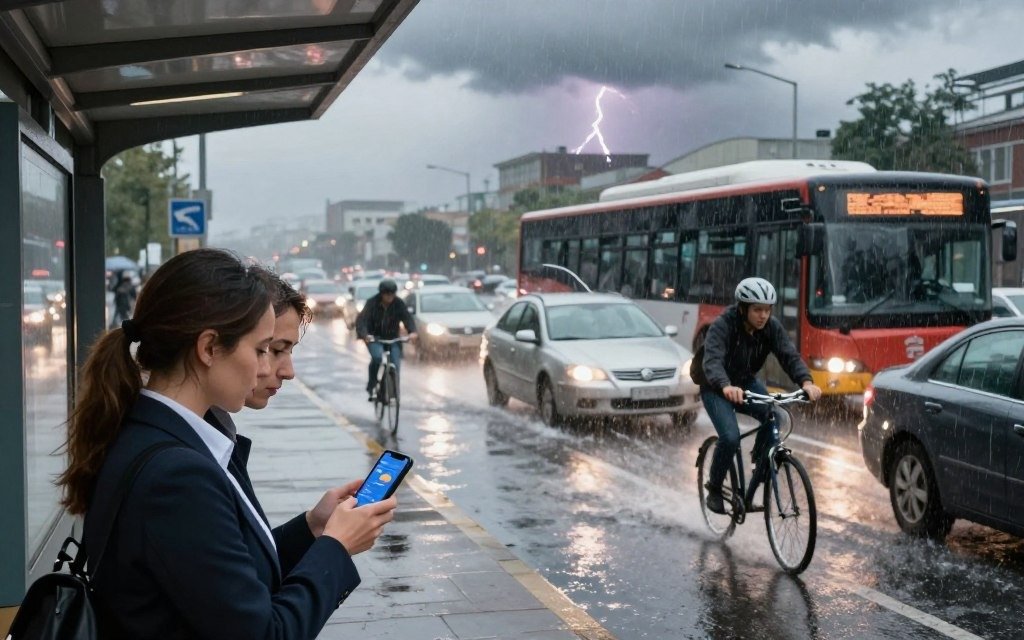
weather conditions affecting transportation
Weather plays a big role in our travel experiences. It’s a key factor in choosing where to go.
When planning trips, knowing how weather affects our choices is crucial. It helps us decide where to go and what to do.
The Role of Climate in Destination Selection
The climate of a place greatly influences our travel choices.
Some places are more appealing at certain times of the year. This is because of their weather.
| Destination | Preferred Season | Weather Conditions |
| Coastal Areas | Summer | Cooler temperatures, suitable for beach activities |
| Mountain Regions | Winter | Snowfall, ideal for skiing and snowboarding |
| Desert Regions | Spring or Fall | Mild temperatures, avoiding extreme heat |
How Weather Conditions Affect Transportation and Activities
Weather can greatly affect how we travel. Severe weather can cause flight delays or cancellations.
For example, heavy snow can make roads hard to travel. Hurricanes can stop flights from taking off.
Understanding these factors helps us plan better. By looking at historical climate data, we can make more flexible plans. This way, we can enjoy our trips more.
Common Weather-Related Travel Problems We Encounter
Traveling often brings us face-to-face with weather challenges. These can change our plans in big ways. It’s key to be ready for different weather scenarios.
Knowing these challenges helps us plan better. Let’s look at some common weather-related travel problems.
Flight Disruptions from Severe Storms and Winter Weather
Severe storms and winter weather cause many flight delays and cancellations. Flight delays and cancellations happen when it’s too snowy or stormy to fly safely.
- Delays due to de-icing procedures
- Cancellations resulting from airport closures
- Flight rerouting to avoid severe weather
Extreme Heat and Cold Limiting Outdoor Activities
Extreme temperatures can limit our outdoor fun. Whether it’s hot deserts or cold mountains, extreme weather conditions can make it hard to explore outside.
Some issues we face include:
- Health risks from heatstroke or hypothermia
- Less outdoor activities in extreme weather
- Need for special gear or clothes
Unexpected Precipitation Altering Our Plans
Unexpected rain or snow can change our plans. It might make us skip outdoor activities and find indoor ones instead.
To deal with this, we can:
- Keep up with weather forecasts
- Have indoor plans ready
- Be prepared with the right gear
Hurricane and Tornado Season Travel Risks
Traveling in hurricane or tornado seasons is risky. These storms can make travel dangerous, damage property, and even be deadly.
When traveling in these seasons, it’s important to:
| Precaution | Description |
| Stay Informed | Monitor weather forecasts and warnings |
| Plan Flexibly | Have backup plans ready |
| Purchase Insurance | Get travel insurance for weather events |
Mastering Weather-Based Travel Planning Fundamentals
Weather greatly affects our travel experiences. Knowing how to handle it is crucial for a great trip. By adapting to the weather, we can make our journeys better.
Researching Historical Climate Data for Our Destinations
We start by looking at historical climate data for our destinations. This helps us know what weather to expect. For example, knowing about monsoons can help us pack for rain.
NOAA and NWS are great resources for this data. They help us decide the best times to visit and what to expect.
Timing Our Trips to Avoid Peak Weather Challenges
Researching climate data lets us time our trips right. We can avoid extreme weather by visiting during cooler times. This is especially true for places with hot summers or rainy seasons.
By planning around bad weather, we stay comfortable and avoid travel problems.
Creating Flexible Itineraries with Weather Contingencies
Even with good planning, weather can surprise us. So, we need flexible itineraries with backup plans. This could mean indoor activities or alternative places to visit.
For example, if a hurricane hits a beach destination, having indoor plans can save our trip.
Understanding Microclimates Within Regions
It’s also key to know about microclimates in a region. These are unique weather areas within a larger area. Mountainous spots can have very different weather than the valleys.
Understanding these microclimates helps us plan better. It lets us avoid bad weather and enjoy our trips more.
Leveraging Technology and Resources for Accurate Forecasts
Getting accurate weather forecasts for our travels is crucial. Today, we have many tools to predict the weather. Using these tools well helps us plan our trips better and avoid weather problems.
Weather Apps We Recommend for Travel Planning
There are many weather apps great for planning trips. These apps give us up-to-date weather info. Top picks include Dark Sky, Weather Underground, and The Weather Channel. They offer detailed forecasts, alerts, and maps.
When picking a weather app, think about what you need. Some apps give detailed forecasts, while others are more general. Choosing the right app helps us know the weather at our destination.
Interpreting Extended Forecasts and Prediction Models
Extended forecasts and models can be tricky. But, learning to read them helps us understand future weather. These forecasts cover several days or weeks, giving us a general idea of what’s coming.
Prediction models, like the GFS and ECMWF, use complex algorithms. By studying these models, we can better understand the weather during our trip.
Setting Up Weather Alerts for Our Travel Dates
Setting up weather alerts for our travel dates is smart. Many apps and websites let us customize alerts. This way, we get timely updates on weather that might affect our plans.
Consulting NOAA and National Weather Service Data
We can also check data from NOAA and the National Weather Service. These sources offer reliable weather info, including forecasts and warnings. By looking at this data, we get a full picture of the weather at our destination.
Regional Weather Considerations Across the United States
The U.S. has many different climates, which we need to think about when we travel. Knowing the weather in each area can make our trips better.
West Coast Climate Patterns and Travel Windows
The West Coast has a mild climate, but it changes a lot from north to south. In California, the best time to visit is from September to November and March to May. The weather is nice, and there are fewer people around.
The Pacific Northwest is cooler and wetter. The best time to visit is in the summer. The weather is drier and sunnier then.
Midwest Severe Weather and Tornado Alley Precautions
The Midwest is known as Tornado Alley because of its severe weather. When we visit, we need to know about the tornado season, which is from May to July.
It’s important to keep up with weather forecasts and warnings. We should also have a plan ready for bad weather.
Southeast Hurricane Season and Humidity Factors
The Southeast faces hurricane season from June to November. The humidity is also high, which can affect our comfort.
To avoid hurricane risks, we should travel during the off-season. Or, we can stay updated on weather forecasts and warnings.
Northeast Winter Storm Preparations
The Northeast has harsh winters with lots of snow and cold. When we visit in winter, we need to be ready for winter storms.
We should pack right, keep up with weather forecasts, and have a plan for bad weather.
Practical Solutions for Weather Challenges on the Road
Travel planning means getting ready for different weather. We face many climates on our trips. Using smart strategies helps us deal with bad weather and enjoy our journeys.
Packing Versatile Clothing for Changing Conditions
Packing smart clothes is key for unpredictable weather. We should bring clothes that can be layered. This way, we’re ready for temperature changes without heavy bags.
Layering is key; it lets us adjust our outfits. We also need waterproof and breathable clothes for rain and heat.
Booking Accommodations with Weather-Related Cancellation Policies
Choosing places with weather-related cancellation policies is important. It gives us peace of mind for bad weather.
Always check the cancellation policies before booking. This ensures we know what to expect.
Purchasing Travel Insurance That Covers Weather Events
Travel insurance for weather is a must. It helps if flights get cancelled or trips are cut short.
Look for insurance that covers weather. Make sure you know how to file claims.
Developing Indoor and Outdoor Activity Alternatives
Having indoor and outdoor plans is smart. This way, we can change our plans based on the weather.
Find indoor spots and outdoor activities that work in any weather. This keeps our trip fun.
Staying Safe During Extreme Weather Events
Staying safe in bad weather is crucial. Keep up with weather updates and follow local advice.
Know the emergency plans and have a backup plan. This helps us stay safe in extreme weather.
Conclusion
Planning your trip based on the weather is key to a great journey. Knowing how weather affects your trip helps you make smart choices. It also prepares you for any issues that might come up.
We’ve looked at many ways to plan your trip with the weather in mind. This includes checking past weather and using technology for up-to-date forecasts. We’ve also talked about how to deal with weather problems, like packing smart and choosing hotels that let you cancel easily.
Using these tips and staying adaptable helps you overcome weather hurdles. Whether you’re heading to the West Coast or the Southeast during hurricane season, good weather planning is vital. It makes your trip successful and enjoyable.
FAQ
How does the climate influence our choice of travel destinations?
Climate is key when picking travel spots. It affects what we can do there. For example, we head to the Florida Keys in winter to avoid cold. Or, we visit the Pacific Northwest in late summer for the Olympic National Park’s dry weather.Knowing the seasons helps us plan better. This way, we match our plans with what the place offers.
What should we do if severe storms or winter weather disrupt our flight plans?
If flights are delayed due to weather, act fast. Use mobile apps from airlines like Delta or United. This is better than waiting in line.Keep the National Weather Service’s contact info handy. This helps track storms. We book flights through Expedia or Google Flights. This makes finding new routes easy if needed.
Which apps and tools do we recommend for accurate weather forecasting?
We use a mix of tech for weather updates. AccuWeather and The Weather Channel apps are great for real-time info. They offer “RealFeel” metrics for local conditions.For detailed data, we check the NOAA website. It has satellite images and long-term forecasts. These are crucial for planning ahead.
How can we protect our trip investment from hurricane or tornado risks?
We buy travel insurance from Allianz Global Assistance or Travel Guard. It covers costs if we have to cancel due to a storm. We also check TripAdvisor for hotels with good emergency plans.
Why is it important for us to research microclimates within a specific region?
Weather can change a lot in a short distance. For example, San Francisco’s fog can turn into Sonoma Valley’s heat. Researching these areas helps us pack right and plan activities.We use WeatherSpark to see these differences. This helps us plan our trip better.
What are our best strategies for packing when we expect changing weather conditions?
We pack in layers with gear from Patagonia, The North Face, or Columbia. This keeps us comfortable in any weather. Moisture-wicking base layers and waterproof shells are key.This way, we can adapt without needing to buy extra clothes.
How do we create a flexible itinerary that accounts for weather contingencies?
We always have a backup plan. For hiking in the Great Smoky Mountains, we have indoor spots like the Titanic Museum Attraction in Pigeon Forge ready for rain. This keeps our trip fun, no matter the weather.
What regional weather considerations should we keep in mind for a cross-country U.S. trip?
Different parts of the U.S. face different weather challenges. In the Southeast, we watch for humidity and hurricanes. In the Midwest, we’re careful about spring thunderstorms. The Northeast has “Nor’easters” in winter.By using the FEMA app and local news, we stay safe. This knowledge helps us navigate the country’s varied weather.
